
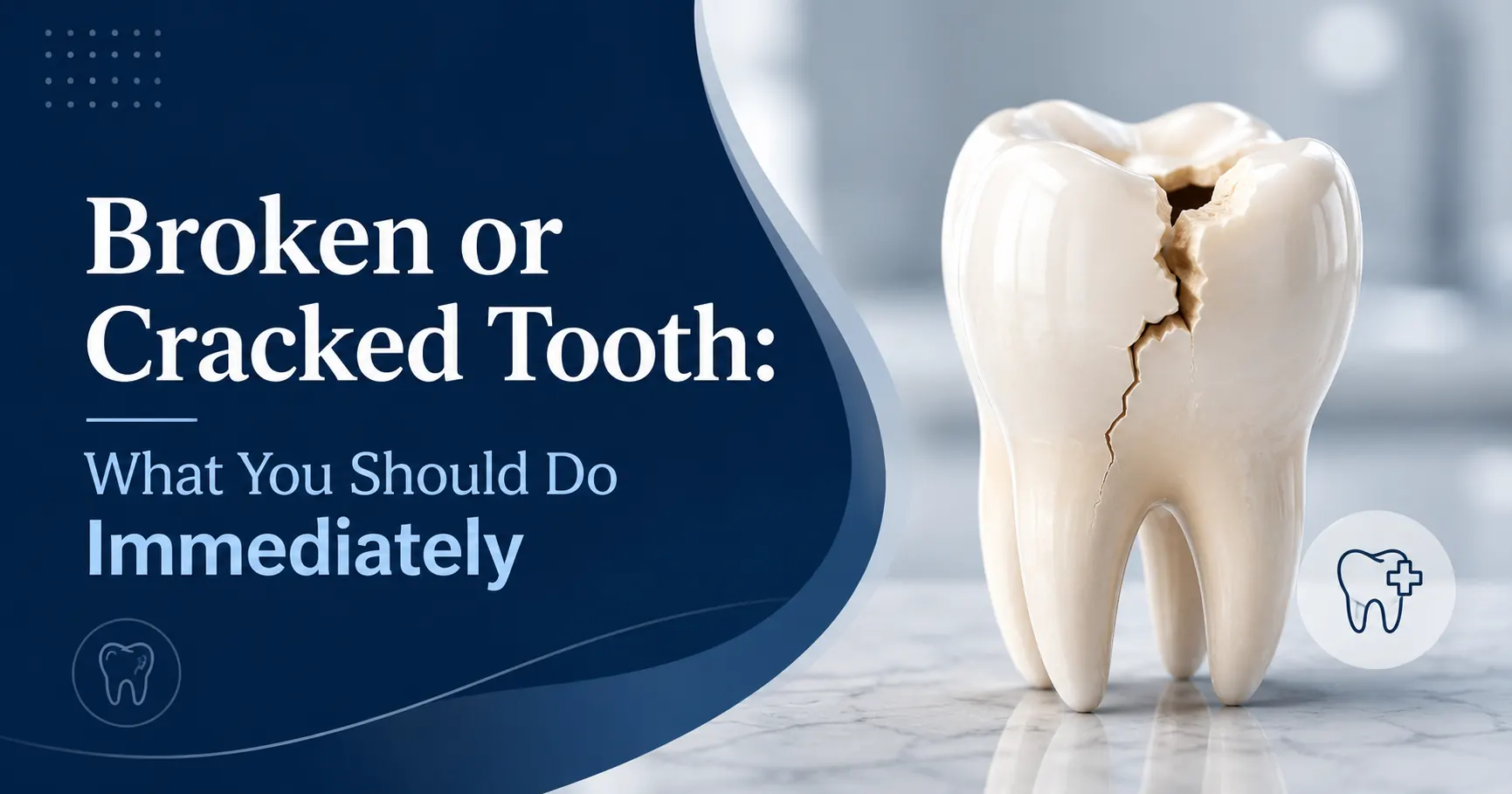
Breaking or cracking a tooth can be alarming, but the right first steps can protect the tooth and reduce the risk of further damage.
If you have broken or cracked a tooth:
- Save any piece of tooth that has broken off.
- Place the fragment in milk or saliva.
- Rinse your mouth gently with water.
- Apply gentle pressure with clean gauze if there is bleeding.
- Use a cold compress on the outside of your cheek if there is swelling.
- Avoid chewing with the damaged tooth.
- Contact a dentist for an assessment.
A small, painless chip may not require an emergency appointment. However, a large break, severe or persistent pain, swelling, trauma, a loose tooth or signs of infection should be assessed urgently.
Need urgent help in Didsbury? R&G Dental offers same-day emergency dental appointments whenever possible at its practice in West Didsbury, Manchester. Emergency examinations for non-registered patients currently start from £75.
What to Do Immediately If You Break or Crack a Tooth
1. Find and save any broken piece
Try to locate the fragment if part of the tooth has broken off. Place it in a clean container of milk or your own saliva and take it to the dentist.
Do not attempt to glue the fragment back yourself. A dentist will need to examine both the fragment and the remaining tooth to determine whether reattachment is safe and possible.
2. Rinse your mouth gently
Gently rinse your mouth with water to clear away blood or loose debris. Avoid forceful rinsing, particularly if the damage was caused by a fall, collision or other facial injury.
3. Control any bleeding
If the gum, lip or inside of the cheek is bleeding, hold clean gauze or a clean cloth against the area with gentle pressure.
Heavy bleeding from the mouth that does not stop requires immediate medical attention, particularly when it follows a serious facial injury.
4. Reduce swelling
Place a cold compress against the outside of your cheek for short periods. Do not apply ice directly to the tooth or gum.
5. Protect the damaged tooth
Avoid chewing on the affected side. Choose soft foods and avoid very hard, sticky, hot or cold foods if they trigger discomfort.
If the tooth has an open cavity, temporary dental repair material from a pharmacy may provide short-term protection until you reach a dentist. It is not a permanent treatment.
7. Contact a dentist
Home care may reduce discomfort, but it cannot repair a broken or cracked tooth. The damage needs to be assessed so the dentist can determine how deep it is and whether the inner part of the tooth has been affected.
A General Practitioner (GP) cannot provide dental treatment for a broken tooth. Contact a dentist for urgent dental care.
Is a Broken or Cracked Tooth a Dental Emergency?
A broken or cracked tooth is not always a dental emergency, but it should not be ignored. The urgency depends on the size and depth of the damage, how it happened and whether you have pain, swelling, bleeding or other injuries.
What Are the Symptoms of a Cracked Tooth?
The following are common symptoms of a cracked tooth:
- Sharp pain when biting.
- Pain when you release your bite.
- Sensitivity to cold, heat or sweet foods.
- Pain that comes and goes.
- Tenderness around one particular tooth.
- Difficulty identifying exactly which tooth hurts.
- Swelling around the tooth.
- A visible line or missing section.
- A sharp or rough edge.
- Movement in part of the tooth.
- Gum irritation near the crack.
Pain from a cracked tooth can be intermittent. Movement of the cracked sections during chewing may irritate the pulp, which helps explain why symptoms can occur when biting or when the pressure is released.
However, cracks do not always cause pain. Some remain difficult to notice until a dentist examines the tooth or inflammation develops around it.
Chipped, Broken or Cracked Tooth - What Is the Difference?
Patients often use these terms interchangeably, but they can describe different forms of damage.
How Do Dentists Repair Broken and Cracked Teeth?
Treatment depends on how much structure has been lost, whether the crack is stable and whether the pulp or root is involved.
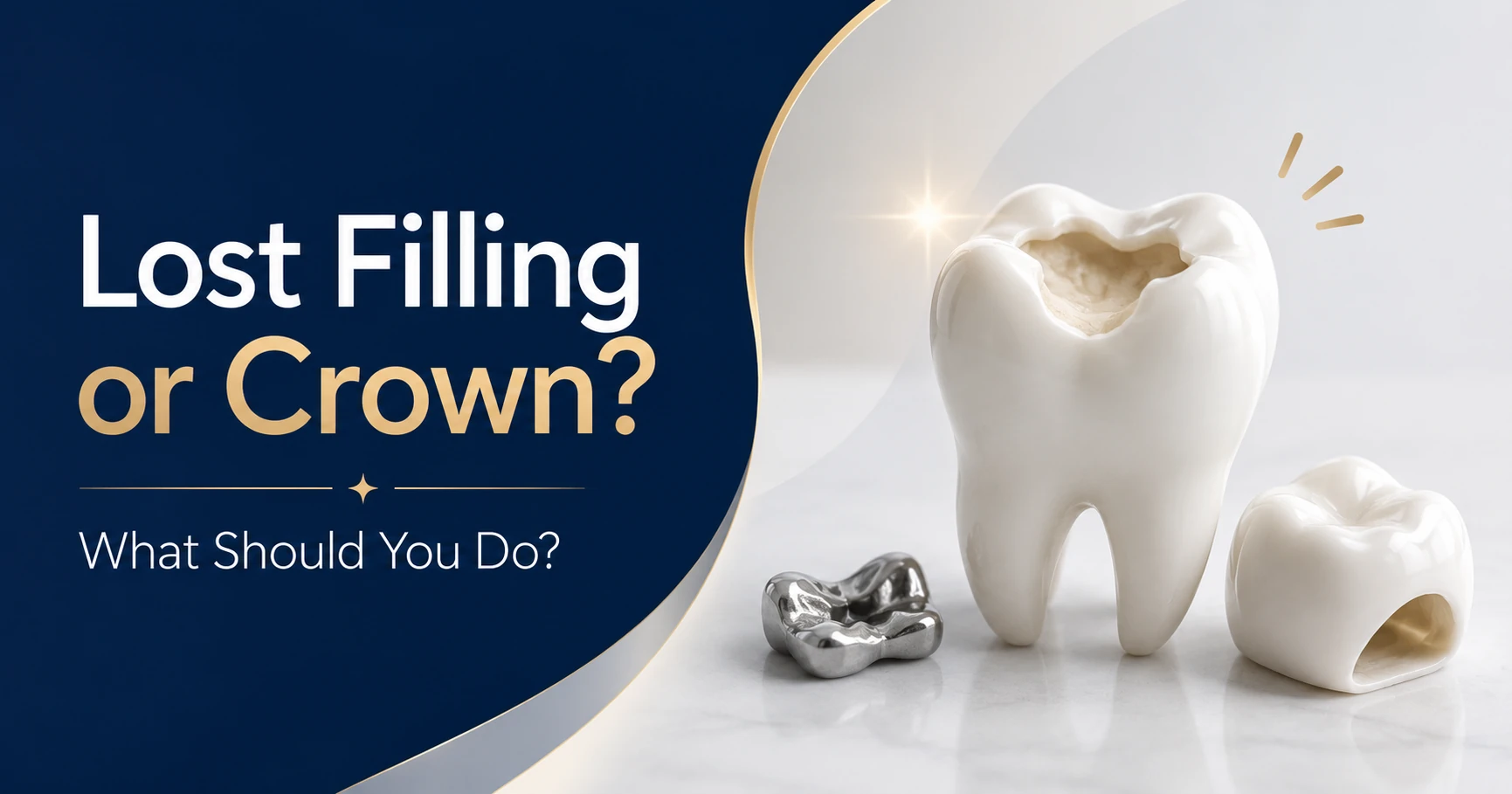
- Smoothing or polishing: A very small rough chip may only need to be smoothed. This removes the sharp edge and improves comfort.
- Composite bonding: Composite bonding uses tooth-coloured resin to rebuild a chipped edge. It is commonly considered for smaller visible fractures, particularly in front teeth.
- Dental filling: A tooth-coloured filling may repair a smaller broken area when enough healthy tooth remains to support the restoration.
- Fragment reattachment: If the broken piece is suitable, it may be bonded back onto the tooth. This is why keeping the fragment in milk or saliva and bringing it to the appointment is worthwhile.
- Onlay or dental crown: A larger break may leave the tooth too weak for a normal filling. An onlay covers the damaged chewing area, while a dental crown covers and protects more of the tooth.
- Root canal treatment: If the pulp has become exposed, irreversibly inflamed or infected, root canal treatment may be recommended to remove the damaged tissue and preserve the tooth. The tooth may then need a filling or crown for protection.
- Tooth extraction: A tooth extraction may be necessary if the tooth has split, the fracture extends too deeply or too little sound structure remains to restore it reliably.
What Can Happen If You Leave a Broken Tooth Untreated?
The outcome varies according to the type of damage. Possible problems include:
- Further loss of tooth structure.
- Increasing sensitivity.
- Pain when chewing.
- Irritation of the tongue or cheek from a sharp edge.
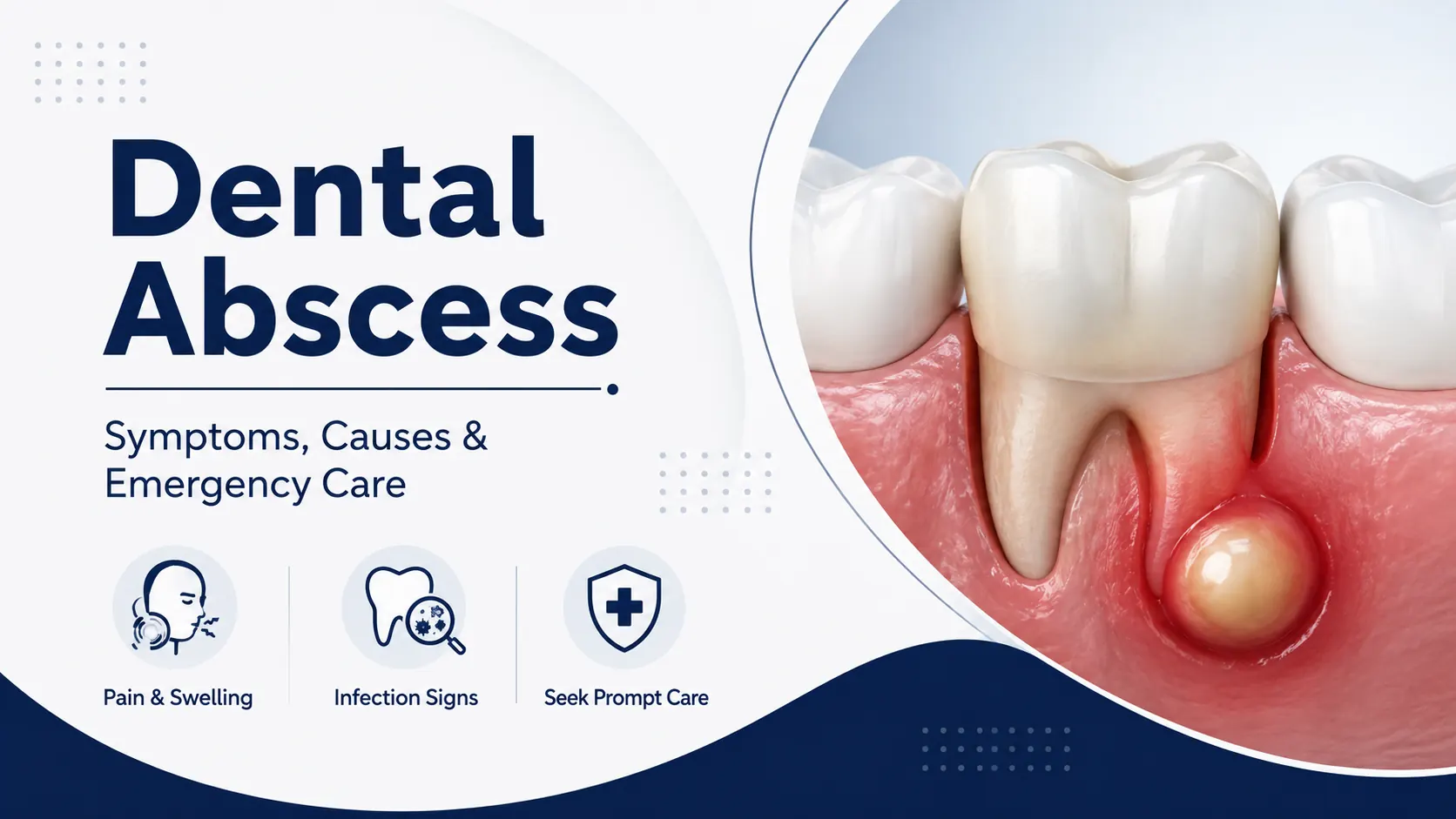
- Inflammation or infection inside the tooth.
- A dental abscess.
- The need for more extensive treatment.
- Loss of the tooth in severe cases.
A broken or cracked tooth can create a route through which bacteria reach the inner part of the tooth. Signs of possible infection include worsening pain, facial or gum swelling, a bad taste, discharge, fever or difficulty opening the mouth.
Seek urgent dental care if any of these symptoms develop.
What Happens During an Emergency Appointment at R&G Dental?
During an urgent assessment, the dental team will normally:
- Ask how and when the tooth broke.
- Discuss your pain and other symptoms.
- Examine the tooth, gums and bite.
- Take X-rays if clinically necessary.
- Explain whether the tooth appears restorable.
- Provide pain relief or stabilisation where appropriate.
- Discuss temporary and definitive treatment options.
- Arrange further treatment when it cannot be completed at the first visit.
R&G Dental is located at 91 Lapwing Lane in West Didsbury, Manchester. Same-day emergency appointments are offered, and both registered and non-registered patients can request urgent care.
Frequently Asked Questions About Broken and Cracked Teeth
Is a broken tooth considered a dental emergency?
A small, painless chip is not usually an emergency, but it still needs a dental assessment. A large break, severe pain, swelling, trauma, a loose tooth or exposed inner tissue requires urgent dental advice. Serious facial injury, uncontrollable bleeding or breathing difficulty requires immediate medical help.
Is a cracked tooth an emergency if it does not hurt?
Not always, but it should still be checked. Some superficial cracks are painless, while certain deeper fractures can also cause few early symptoms. Avoid chewing on the tooth and arrange an assessment so a dentist can determine the depth and stability of the crack.
Can a dentist glue a broken piece of tooth back on?
Sometimes. Reattachment depends on the condition and fit of the fragment and the health of the remaining tooth. Keep the fragment in milk or saliva and do not attempt to attach it using household glue.
Can a cracked tooth heal itself?
No. A crack in a tooth does not heal like a fracture in a bone. Treatment may stabilise and protect the tooth, but the recommended approach depends on the type, depth and position of the crack.
Can a tooth broken at the gum line be saved?
Sometimes, but it depends on how deeply the tooth or root is fractured and how much healthy structure remains. Treatment may involve rebuilding the tooth, root canal treatment and a crown, or extraction when the damage is not restorable.
How long can you leave a broken tooth untreated?
There is no safe universal waiting period. A minor chip may not require same-day treatment, but every broken tooth should be assessed. Larger or painful fractures should be examined promptly because the tooth could weaken further or develop pulp inflammation or infection.
Is a broken fragment the same as a knocked-out tooth?
No. A broken tooth leaves part of the tooth and its root in place. A knocked-out tooth has come completely out of its socket.
A knocked-out permanent tooth requires a different first-aid procedure and immediate dental care. Read our dedicated guide on what to do if you knock out a tooth.
Get Help for a Broken or Cracked Tooth in Didsbury
A broken tooth is often treatable, but the appropriate treatment depends on the depth and location of the damage. Save any fragment, avoid chewing with the tooth and arrange an assessment rather than waiting for the problem to become painful.
R&G Dental provides emergency dental care in Didsbury, Manchester, with same-day appointments available whenever possible. Contact the practice promptly if you have a large break, severe pain, swelling or a tooth injury.