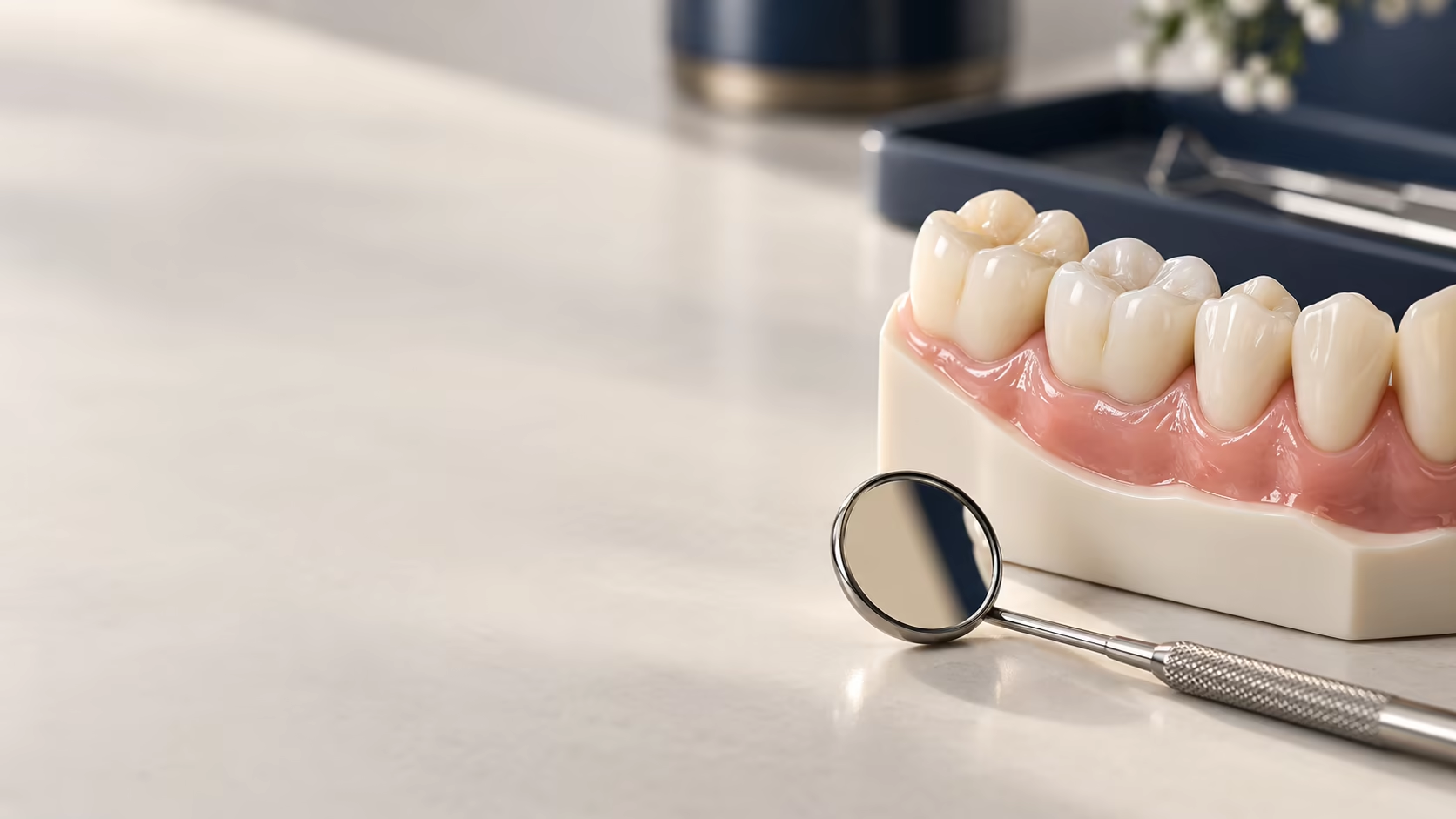
Tooth sensitivity, pain when biting, a visible cavity, food getting trapped, or an old filling that feels damaged can all be signs that your tooth needs attention. At R&G Dental, we provide white composite fillings in Didsbury, Manchester to repair teeth affected by decay or minor damage while closely matching your natural tooth colour. Our dentists carefully assess the tooth before recommending treatment, helping preserve as much healthy tooth structure as possible. If you are worried about a cavity or damaged filling, book an appointment for a professional assessment and personalised treatment advice.




Dental fillings are used to repair teeth that have been damaged by tooth decay, cavities, minor chips or wear. During treatment, the damaged or decayed part of the tooth is carefully removed and the area is restored with a filling to help rebuild its shape, strength and function.
At R&G Dental, we use white composite fillings, also known as tooth-coloured fillings, which are designed to blend closely with the natural shade of your teeth. Composite fillings can provide a discreet and durable restoration while helping preserve as much healthy tooth structure as possible.
Signs You May Need a Dental Filling
Some cavities and damaged teeth do not cause obvious pain at first, so regular dental check-ups are important. However, these common signs may indicate that you need a dental filling or further assessment:
Restore Your Tooth with a Natural-Looking White Filling
Our tooth-coloured composite fillings are designed to repair decay or minor damage while blending naturally with your smile.
Benefits of White Composite Fillings
White composite fillings are a popular choice for restoring decayed or damaged teeth because they combine strength, function and a natural appearance.
Natural-Looking Appearance
Composite fillings are designed to blend with your natural teeth, making the restoration much less noticeable when you smile or speak.
Shade Matched to Your Teeth
The composite material can be carefully matched to the colour of your surrounding teeth for a more seamless result.
Preserves Healthy Tooth Structure
Composite fillings bond directly to the tooth, which can allow the dentist to preserve more healthy tooth structure where clinically appropriate.
Suitable for Many Front and Back Teeth
White fillings can be used in many areas of the mouth, including both visible front teeth and suitable back teeth that need repair.
Restores Comfortable Biting and Chewing
By rebuilding the damaged part of the tooth, a composite filling can help restore its shape, function and comfort during everyday eating.
How Your Dental Filling Treatment Works
Your filling treatment is planned around the condition of the tooth, the size of the cavity or damage, and the most suitable way to restore it while preserving healthy tooth structure.
Dental Assessment
Your dentist will examine the tooth, discuss any pain or sensitivity you are experiencing, and check for signs of decay, cracks or damage. This helps determine whether a filling is the right treatment for the tooth.
X-Rays If Required
Dental X-rays may be taken if your dentist needs a clearer view of the decay or the areas between teeth that cannot be fully seen during an examination. They can also help assess how deep the decay extends.
Local Anaesthetic
If required, local anaesthetic is used to numb the tooth and surrounding area before treatment begins. This helps keep you comfortable while the damaged or decayed part of the tooth is treated.
Removing the Decay
The decayed or damaged tooth material is carefully removed using appropriate dental instruments. Your dentist will aim to remove the affected tissue while preserving as much healthy natural tooth structure as possible.
Preparing the Tooth
Once the decay has been removed, the area is cleaned and prepared for the filling material. The tooth surface is conditioned so the composite can bond securely to the remaining healthy tooth structure.
Placing the Composite Filling
Tooth-coloured composite resin is carefully placed into the prepared area, often in several thin layers. Each layer is shaped to rebuild the natural form of the tooth and restore the missing structure.
Curing the Filling
A special dental curing light is used to harden each layer of composite material. This allows the filling to set firmly and create a strong restoration within the tooth.
Shaping and Polishing
Once the composite has hardened, your dentist shapes the filling so it follows the natural contours of your tooth. The surface is then polished to create a smooth finish and help it blend with the surrounding enamel.
Checking Your Bite
Your dentist will ask you to bite down so they can check how the restored tooth meets the teeth above or below it. Small adjustments can be made if needed to ensure your bite feels natural and comfortable.
Dental fillings are usually carried out with local anaesthetic, which numbs the tooth and surrounding area to help keep you comfortable during treatment. You may feel some pressure or movement while the tooth is being prepared, but you should not normally feel sharp pain.
After the anaesthetic wears off, the tooth may feel slightly sensitive to cold, pressure or biting for a short time. This usually settles as the tooth adjusts to the new filling. If discomfort is severe, continues for longer than expected or your bite feels uneven, contact your dentist so the filling can be checked.
White Fillings vs Silver Fillings
Trusted by Patients in Manchester
Frequently Asked Questions About Dental Fillings
How long does a dental filling appointment take?
The appointment time depends on the size and location of the cavity, how many tooth surfaces are involved and whether more than one tooth requires treatment. A straightforward filling can often be completed in one visit, while larger restorations may require more time. Your dentist can give you a clearer estimate after examining the tooth.
Can I have a cavity without tooth pain?
Yes. Tooth decay can develop without causing noticeable pain in its early stages, and discomfort may only begin as the decay progresses deeper into the tooth. Early tooth decay may have no symptoms, so a dental examination is the most reliable way to determine whether treatment is needed.
How long do white composite fillings last?
Composite fillings can last for many years, but there is no fixed lifespan for every restoration. Longevity depends on factors such as the filling's size and position, your bite, teeth grinding, oral hygiene and diet. Modern resin composites can provide good long-term performance when appropriately used.
Can white composite fillings be used on back teeth?
Yes, composite fillings can be suitable for many molars and other back teeth, depending on the size of the restoration and the forces placed on the tooth. Your dentist will assess how much healthy tooth remains and whether composite is appropriate or whether another restoration would provide better protection.
Can I replace my silver fillings with white fillings?
In some cases, an older silver filling can be replaced with tooth-coloured composite, particularly if it is damaged, worn or has decay around it. However, a healthy, functioning filling should not automatically be removed purely because it is silver. Your dentist should first assess the tooth and discuss the benefits and risks of replacement.
Should old fillings always be replaced?
No. A filling generally only needs replacing when there is a clinical reason, such as fracture, wear, leakage or new decay around the restoration. Removing a functioning filling unnecessarily can require additional removal of tooth structure, so your dentist will recommend replacement only when appropriate.
Is tooth sensitivity normal after a filling?
Mild sensitivity to cold, pressure or biting can sometimes occur for a short period after a filling and may settle as the tooth adjusts. However, persistent, worsening or severe sensitivity should be assessed by your dentist because it can have several causes.
When can I eat after a dental filling?
Composite fillings are hardened during treatment using a curing light, so the material itself is set before you leave the practice. However, if local anaesthetic has been used, it is sensible to wait until the numbness has worn off before chewing normally to avoid accidentally biting your cheek, lip or tongue.
Can I brush and floss normally after a filling?
Yes. Once comfortable, you should continue brushing twice daily with fluoride toothpaste and cleaning between your teeth to help protect the tooth and surrounding gums. Good plaque control is important for reducing the risk of new decay forming around restorations. You can also support your oral health with regular professional hygiene appointments.
What should I do if my filling falls out?
Keep the area clean, avoid chewing hard foods on that tooth and arrange a dental assessment rather than waiting for pain to develop. If you develop severe pain, swelling or significant damage, contact our emergency dental service for advice.
What happens if I leave a cavity untreated?
Untreated decay can gradually become larger and extend deeper into the tooth. If it reaches the pulp where the nerve and blood supply are located, a simple filling may no longer be enough and further treatment may be required. If infection develops inside the tooth, root canal treatment may sometimes be needed to help save it.
When is a tooth too damaged for a filling?
If a large amount of tooth structure has been lost, a filling may not provide enough strength or protection. Depending on the condition of the tooth, your dentist may recommend an inlay, onlay or dental crown instead.
What is the difference between a composite filling and composite bonding?
Both treatments use tooth-coloured composite resin, but they usually have different purposes. A filling primarily restores a tooth affected by decay or structural damage, whereas composite bonding is commonly used to improve the shape, symmetry or appearance of otherwise suitable teeth. Your dentist can advise which treatment is appropriate after examining the tooth.
Book Your Dental Filling Appointment in Didsbury, Manchester
Get personalised advice, clear treatment options and transparent pricing from our dental team in Didsbury, Manchester.