
.svg)

A severe toothache can be one of the most intense types of pain, making it difficult to eat, sleep, work, or concentrate. While some toothaches may improve temporarily, severe tooth pain often indicates an underlying dental problem that requires professional treatment. Ignoring it can lead to infection, worsening pain, or even tooth loss.
In this guide at R&G Dental, we'll explain the most common causes of severe toothache, the warning signs of a dental emergency, how to relieve pain safely at home, and when you should seek urgent dental care.
Need urgent dental treatment? If you're experiencing severe tooth pain, facial swelling, or signs of infection, don't delay. Visit our Emergency Dental Treatment to arrange a same-day emergency dental appointment with our experienced team.
What Is a Severe Toothache?
A severe toothache is intense, persistent pain in or around a tooth that can make it difficult to eat, drink, sleep, or carry out your daily activities. Unlike mild tooth sensitivity, severe tooth pain often indicates an underlying dental problem, such as tooth decay, a dental abscess, a cracked tooth, or an infected tooth nerve, that requires professional treatment.
The pain may be constant or throbbing and can spread to your jaw, ear, or head. If your toothache is severe, lasts longer than 24 - 48 hours, or is accompanied by swelling or fever, you should see an emergency dentist as soon as possible to prevent further complications.
What Causes Severe Tooth Pain?
Several dental conditions can cause severe tooth pain. Identifying the cause is essential because treatment varies depending on the underlying problem.
Signs Your Toothache Is a Dental Emergency
Toothache should always be assessed promptly by a dentist, with treatment provided as clinically appropriate. The symptoms below may require urgent or immediate dental attention.
Severe Toothache That Does Not Improve with Pain Relief
A severe toothache that continues even after taking painkillers may be a sign of an infected tooth, deep tooth decay, or damage to the tooth's nerve. Persistent pain should never be ignored, as the underlying problem is unlikely to heal on its own. Seeing an emergency dentist promptly can help relieve your pain and prevent further complications.
Swelling of the Face, Jaw, or Gums
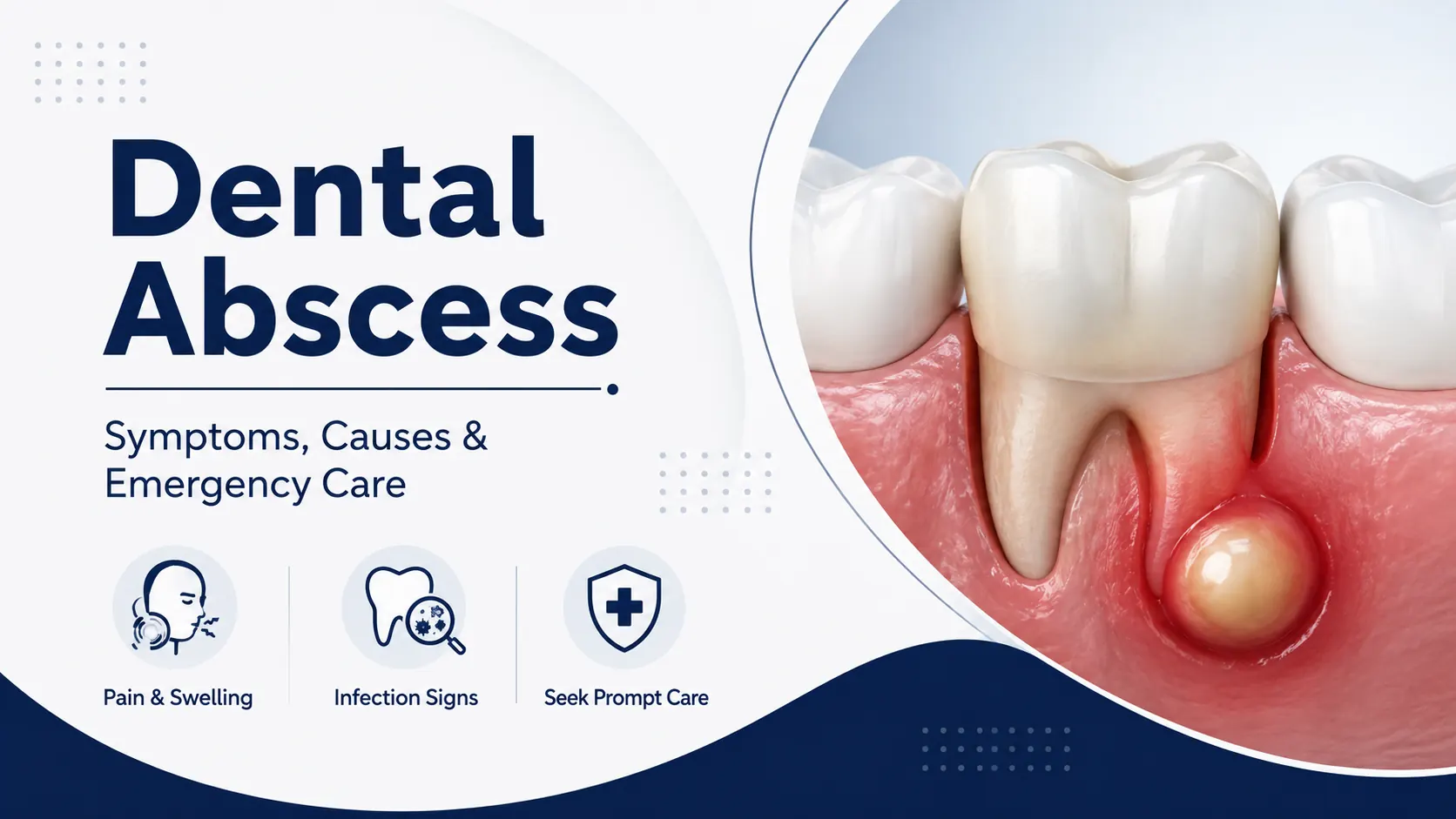
Swelling around your face, jaw, or gums often indicates a dental infection, such as a tooth abscess. If left untreated, the infection can spread to nearby tissues and, in rare cases, other parts of the body. If the swelling is increasing or affects your face, seek emergency dental care as soon as possible.
Difficulty Swallowing or Breathing
If a dental infection causes swelling that makes it difficult to swallow or breathe, it is a medical emergency. This may mean the infection is spreading into deeper tissues and could block your airway. You should seek immediate emergency dental or medical treatment without delay.
Fever Accompanied by Tooth Pain ( Immediate Attention Required )
A toothache combined with a fever may indicate that your body is fighting a bacterial infection. Other symptoms, such as tiredness, swollen glands, or feeling generally unwell, can also occur. Prompt treatment is important to stop the infection from becoming more serious.
A Cracked or Broken Tooth Causing Severe Pain
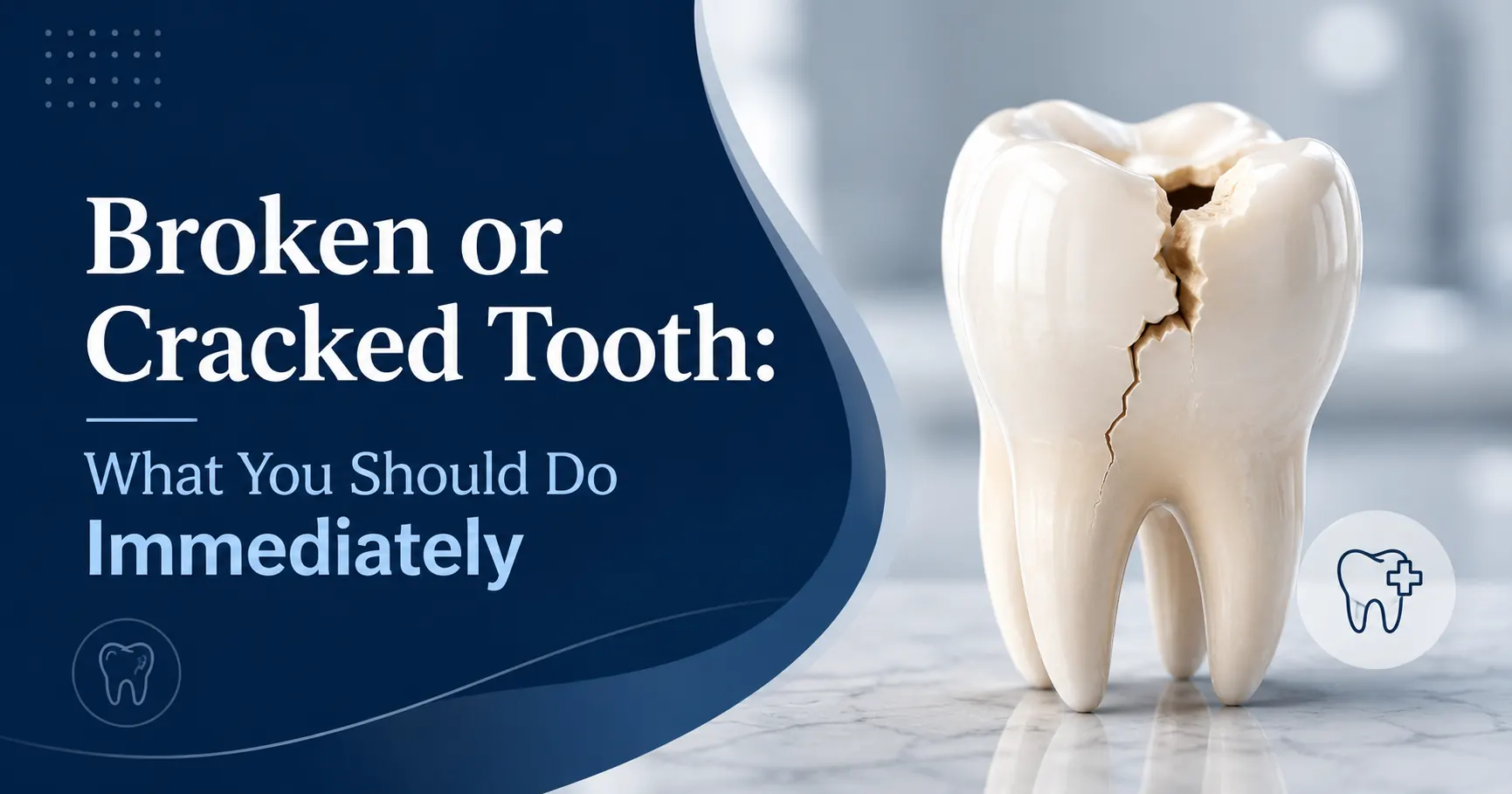
A cracked or broken tooth can expose the sensitive inner layers of the tooth, causing intense pain, especially when eating or drinking. If the crack extends to the nerve, bacteria can enter and lead to infection. An emergency dentist can assess the damage and recommend the best treatment to save the tooth whenever possible.
Knocked-Out Tooth
A knocked-out tooth is one of the most urgent dental emergencies because quick treatment greatly increases the chance of saving it. If possible, hold the tooth by the crown (not the root), gently rinse it if dirty, and place it back into the socket or keep it in milk while travelling to the dentist. Ideally, you should see an emergency dentist within 30 to 60 minutes.
Bleeding That Will Not Stop
Bleeding after an injury or tooth extraction should usually slow down within a short time. If the bleeding is heavy or continues despite applying firm pressure with clean gauze, it may require urgent professional treatment. Persistent bleeding should never be ignored, particularly if it follows trauma to the mouth.
Pus or a Foul Taste in Your Mouth
Pus, a bad taste, or unpleasant-smelling fluid coming from your gums is often a sign of a dental abscess. This means there is an active infection that requires professional treatment, and it is unlikely to improve without dental care. Early treatment can prevent the infection from spreading and help protect your tooth.
Why Is a Severe Toothache Worse at Night?
Many people find that a severe toothache becomes more painful at night, making it difficult to fall asleep or stay asleep. This happens because lying down increases blood flow to your head, which can raise the pressure inside an inflamed tooth and make the pain feel more intense. At night, there are also fewer distractions, so you're more likely to notice persistent throbbing or sharp tooth pain.
If your toothache is keeping you awake, try sleeping with your head slightly elevated, avoid chewing on the affected side, and take over-the-counter pain relief according to the manufacturer's instructions. However, these measures only provide temporary relief and will not treat the underlying dental problem.
If the pain continues throughout the night, becomes unbearable, or is accompanied by facial swelling, fever, difficulty swallowing, or a bad taste in your mouth, you should contact an emergency dentist as soon as possible. Early treatment can relieve your pain, prevent the infection from spreading, and improve the chances of saving your tooth.
What Will an Emergency Dentist Do?
When you visit an emergency dentist, the first priority is to identify the cause of your pain and provide relief. Your dentist may examine your mouth, take digital X-rays, and recommend treatment such as a filling, root canal treatment, drainage of an abscess, or tooth extraction if necessary. Early treatment can relieve pain quickly and prevent the problem from becoming more serious.
Don't Ignore a Severe Toothache
A severe toothache is often your body's way of telling you that something is wrong. While temporary pain relief may help, it won't resolve the underlying problem. Early assessment by a dentist can relieve your discomfort, prevent complications, and improve the chances of saving your tooth.
If you're experiencing severe tooth pain, swelling, or other signs of a dental emergency, contact R&G Dental as soon as possible. Our experienced team provides prompt emergency dental care to diagnose the cause of your pain and recommend the most appropriate treatment, helping you get back to eating, sleeping, and smiling comfortably again.
Frequently Asked Questions
How can I relieve a severe toothache until I see a dentist?
While home remedies cannot treat the underlying cause of a severe toothache, they may help reduce discomfort until your dental appointment. You can take over-the-counter pain relief as directed, gently rinse your mouth with warm salt water, keep the affected area clean, and choose soft foods that are less likely to irritate the tooth. If possible, sleep with your head slightly elevated to help reduce pressure and throbbing pain. If your pain is severe, persistent, or accompanied by swelling or fever, contact an emergency dentist as soon as possible.
When Should You See an Emergency Dentist?
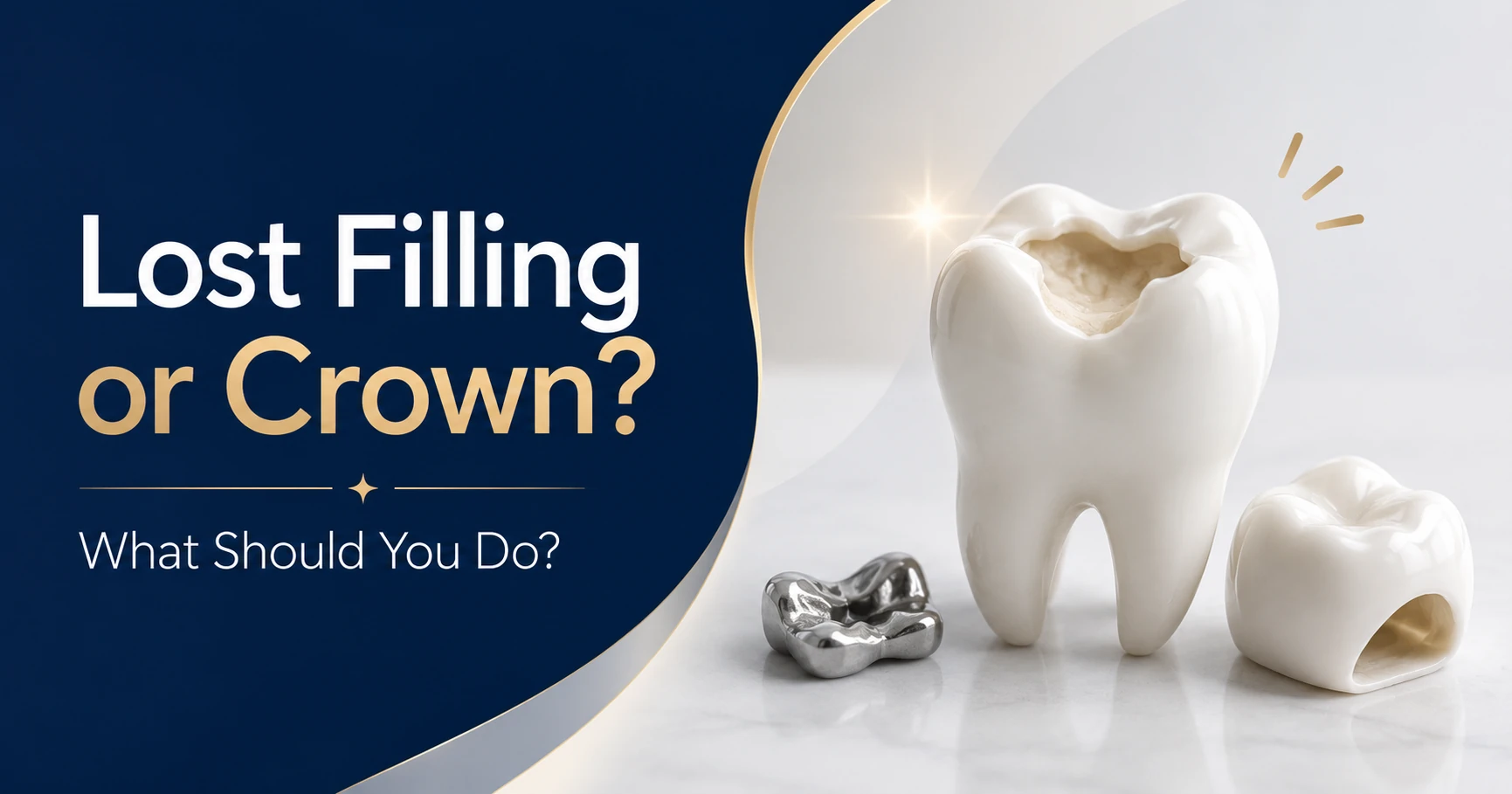
You should see an emergency dentist if your toothache is severe, constant, or lasts longer than 24 - 48 hours, especially if it prevents you from eating, sleeping, or carrying out your daily activities. Urgent dental care is also recommended if you develop facial or gum swelling, signs of infection such as fever or pus, a broken tooth after an injury, or a lost filling or crown causing severe pain. Seeking treatment early can relieve your pain, prevent the problem from worsening, and may increase the chances of saving your tooth.
Can a Severe Toothache Go Away on Its Own?
A severe toothache may temporarily improve, but this does not mean the underlying dental problem has healed. Conditions such as tooth decay, an infected tooth nerve, or a cracked tooth can continue to worsen even if the pain decreases. If your toothache lasts more than a day or returns, it's important to see a dentist promptly to prevent complications and protect your oral health.
What is the 3-3-3 rule for toothache?
The "3-3-3 rule" is often shared online but is not recognised by the NHS, NICE, or other UK dental organisations. If your toothache is severe, persistent, or accompanied by swelling or fever, you should seek professional dental advice rather than relying on social media tips.
Should I Use Ice or Heat for a Severe Toothache?
A cold compress applied to the outside of your cheek can help reduce pain and swelling, especially if your toothache is caused by an injury or inflammation. Avoid applying heat, as it may increase swelling if there is a dental infection or abscess. If the pain persists or is accompanied by facial swelling, contact an emergency dentist as soon as possible.
Can Antibiotics Cure a Toothache?
No, antibiotics do not usually cure a toothache because they cannot remove the underlying cause, such as tooth decay, an infected tooth nerve, or a cracked tooth. According to SDCEP's Drug Prescribing for Dentistry guidance, antibiotics are only recommended when there is evidence of a spreading infection or systemic illness, alongside appropriate dental treatment.